



In the modern world, the way we dress has evolved alongside the way we live and work. Traditional boundaries between formal and informal attire have softened, and many women today seek clothing that is practical, versatile, and polished enough to transition seamlessly between professional settings and everyday life. Whether heading to the office, attending meetings, working remotely, or meeting friends after work, the need for adaptable style has never been greater.
This shift has led to the growing popularity of two key dress codes: smart casual and business casual. Understanding the difference between smart casual and business casual helps women build wardrobes that transition effortlessly between professional and everyday settings. Both styles offer flexibility and comfort while maintaining a polished appearance. However, despite their widespread use, these two terms are often confused. The confusion arises because both styles share a certain level of informality compared to traditional business attire, yet they serve slightly different purposes and convey different impressions.

Smart casual and business casual both aim to strike a balance between professionalism and comfort, but the nuances between them can make a significant difference. Understanding when to choose one over the other allows women to build a wardrobe that works effortlessly across different situations.
As workplaces become more relaxed and lifestyles more dynamic, mastering these dress codes becomes essential. By understanding the characteristics of business casual and smart casual, you can create outfits that feel modern, polished, and appropriate for any occasion.
Style Overview: Women's Business Casual Style

Women's business casual is one of the most practical and widely adopted dress approaches in modern workplaces. This version of business casual for women balances professionalism with comfort, making it ideal for offices without strict dress codes.
Women's business casual style is one of the most widely adopted dress codes in modern professional environments. It represents a balance between traditional business attire and more relaxed everyday clothing. This style maintains professionalism while allowing for comfort and personal expression, making it especially popular in offices without a strict dress code.
At its core, business casual is defined by restraint, neatness, and structure. Unlike formal business attire, which often includes suits and rigid tailoring, business casual softens these elements while still preserving a polished and professional appearance. The focus is on clean lines, minimal decoration, and carefully chosen pieces that create a cohesive and composed look.
One of the defining characteristics of business casual style is minimalism. This does not mean that outfits must be plain or boring; rather, it emphasizes simplicity and elegance. Clothing in this style often avoids excessive embellishments, loud prints, or overly trendy details. Instead, the emphasis is placed on timeless silhouettes, neutral colors, and high-quality fabrics.

Another important aspect of business casual style is fit. Clothing should follow the natural lines of the body without being too tight or overly loose. Well-fitting garments create a professional impression and ensure comfort throughout the day. Structured pieces such as blazers or tailored trousers help achieve this balance.
Business casual also prioritizes practicality. Women often choose pieces that are versatile and easy to mix and match. This makes it easier to create multiple outfits from a limited number of items, which is particularly useful for busy professionals.
Key Characteristics of Business Casual Style

-
Minimal decor and embellishments
-
Clean lines and structured silhouettes
-
Neutral or muted color palettes
-
High-quality fabrics
-
Professional yet comfortable appearance
-
Well-tailored but not tight-fitting garments
-
Focus on timeless wardrobe staples
Business casual style is most commonly used in offices without strict dress codes. It allows employees to look professional while maintaining comfort throughout the workday. This makes it especially suitable for environments such as creative offices, tech companies, consulting firms, and hybrid workplaces.
Basic Wardrobe Items for Business Casual

A well-curated business casual wardrobe is built around versatile and timeless pieces. Some essential items include:
Blazers and jackets with a clear shape
Structured blazers are a cornerstone of business casual style. They instantly elevate an outfit and create a polished look. Neutral colors such as black, navy, beige, or gray work best for versatility.
Classic or straight trousers
Tailored trousers provide comfort and professionalism. Straight-leg or slightly tapered silhouettes work well in most office settings.
Midi or knee-length skirts
Skirts in classic cuts offer variety while maintaining professionalism. Pencil skirts, A-line styles, and wrap skirts are popular choices.
Shirts and laconic blouses
Simple shirts and blouses with minimal detailing are essential. Crisp cotton shirts, silk blouses, and soft button-downs create a refined appearance. Browse our collection of business casual shirts to build a polished wardrobe foundation.
When selecting these items, it is important to prioritize fit and comfort. Clothing should sit well on the figure without being too tight or restrictive. Fabrics should allow movement while maintaining structure.
Business casual style encourages thoughtful dressing. Each piece should serve a purpose, and the overall outfit should feel cohesive and polished. Accessories are typically understated, and footwear usually includes loafers, low heels, or classic flats.
Ultimately, business casual style provides a practical solution for modern professionals who want to look polished without sacrificing comfort. It is a timeless and adaptable approach that fits seamlessly into today's evolving workplace culture.
Casual Look

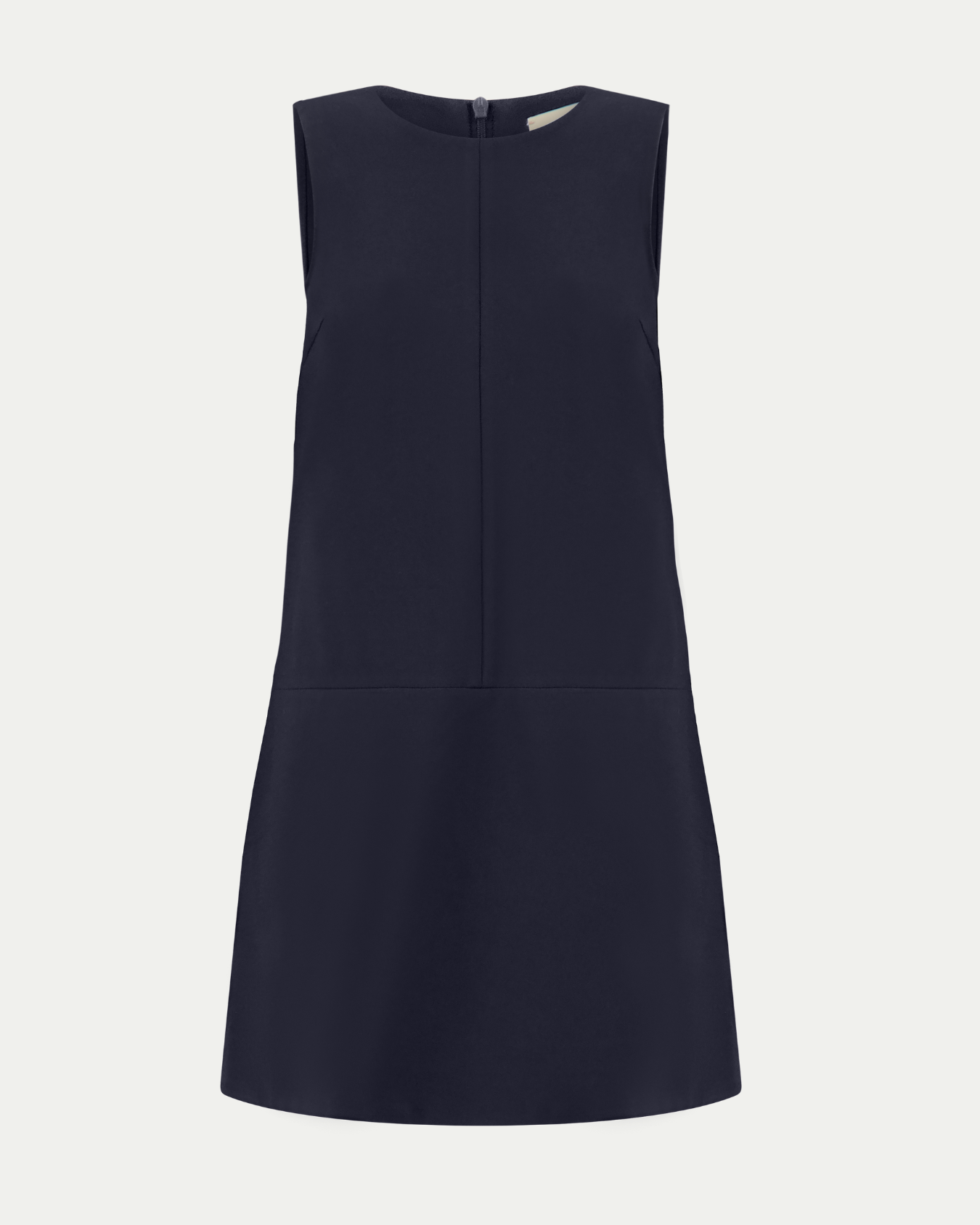
Style Overview Smart Casual Dress Code
The smart casual dress code has become increasingly popular as workplaces and lifestyles evolve. Smart casual for women blends relaxed clothing with polished elements, creating a modern and versatile wardrobe.

Smart casual for women is one of the most versatile and modern approaches to dressing. It combines the comfort of casual clothing with elements of elegance, creating a look that feels relaxed yet polished. This style reflects contemporary lifestyles, where flexibility and practicality are just as important as appearance.
At its core, smart casual is defined by relaxation, thoughtfulness, and modernity. Unlike business casual, which leans more toward professional attire, smart casual allows for greater freedom in choosing pieces and styling outfits. However, despite this flexibility, the overall appearance should still look intentional and neat.
Smart casual style encourages mixing casual items with more refined pieces. For example, a soft knit sweater paired with tailored trousers or a relaxed blouse worn with structured outerwear creates a balanced and stylish look. The goal is to appear polished without looking overly formal.
Another defining feature of smart casual is comfort. Fabrics tend to be softer, silhouettes slightly looser, and layering more relaxed. This makes smart casual ideal for everyday wear, including weekends, travel, casual meetings, or informal office settings.
Smart casual also allows for more creativity. Women can experiment with textures, subtle patterns, and modern silhouettes. While the style remains neat and polished, it provides more room for personal expression.
Key Characteristics of Smart Casual Style

-
Relaxed yet polished appearance
-
Comfortable fabrics and silhouettes
-
Thoughtful layering
-
Modern and versatile pieces
-
More freedom in styling
-
Subtle use of textures and patterns
-
Balance between casual and refined elements
Smart casual style promotes clothing that feels effortless while still looking put together. It is ideal for women who want to maintain elegance without feeling overly structured.
Basic Wardrobe Items for Smart Casual
A smart casual wardrobe is built around comfortable yet refined pieces. Some essential items include:

Light knits and cardigans
Soft knitwear provides comfort while maintaining a polished look. Lightweight sweaters and cardigans are perfect for layering.
Looser trousers
Relaxed-fit trousers offer comfort and modern style. Wide-leg or slightly tapered styles work well. Explore versatile casual pants that fit effortlessly into a smart casual wardrobe.
Blouses with soft lines
Blouses made from flowing fabrics create a relaxed yet elegant silhouette.
Light jackets or coats
Casual blazers, trench coats, or lightweight outerwear complete smart casual outfits.
Smart casual style encourages mixing these pieces to create outfits that are both comfortable and stylish. Accessories can be slightly more expressive, and footwear may include sneakers, loafers, or ankle boots.
Overall, smart casual offers flexibility and practicality for modern lifestyles. It is perfect for women who want to look polished without sacrificing comfort.
Key Differences Between Smart Casual and Business Casual
Understanding the difference between smart casual and business casual makes it easier to dress appropriately for different environments while maintaining personal style.
While smart casual and business casual share similarities, they differ in several important ways. Understanding these differences helps women choose the most appropriate style for different situations.
| Aspect | Business Casual | Smart Casual |
|---|---|---|
| Level of Formality | More professional and structured | More relaxed and flexible |
| Silhouette and Cut | Tailored and structured | Looser and more relaxed |
| Colors and Fabrics | Neutral colors, structured fabrics | Broader color palette, softer fabrics |
| Approach to Styling | Minimal and restrained | Creative and modern |
Business casual is generally more appropriate for professional settings such as meetings, office environments, or formal work events. It communicates professionalism and reliability while maintaining comfort.
Smart casual, on the other hand, is ideal for everyday situations, informal meetings, casual offices, or social gatherings. It offers greater freedom and comfort while still maintaining a polished appearance.
It is also important to note that smart casual can be adapted to office environments. By incorporating slightly more structured pieces, such as a blazer or tailored trousers, smart casual outfits can become appropriate for professional settings.
Choosing between smart casual and business casual depends on the occasion, workplace culture, and personal style. Many women find that combining elements of both styles allows for maximum versatility.

Both smart casual and business casual styles play an important role in the modern wardrobe. As work environments evolve and lifestyles become more dynamic, these dress codes offer practical, stylish solutions for everyday dressing.
Business casual offers structure, professionalism, and timeless elegance. It is ideal for office settings and professional environments that require a polished appearance. Smart casual, on the other hand, emphasizes comfort, flexibility, and modern style, making it perfect for everyday wear and relaxed settings.
The best approach is not to choose one style exclusively, but to learn how to combine elements of both. By blending structured pieces with relaxed items, women can create versatile outfits that suit a wide range of occasions.
Ultimately, mastering smart casual and business casual allows women to build wardrobes that are practical, stylish, and adaptable. These styles reflect the needs of modern life, where comfort and professionalism go hand in hand. By understanding the differences and learning how to combine them, you can create a wardrobe that supports your lifestyle while expressing your personal style.


